牛 ox / cattle
niú 现代普通话 Modern MandarinAI 合成语音 AI-generated voice
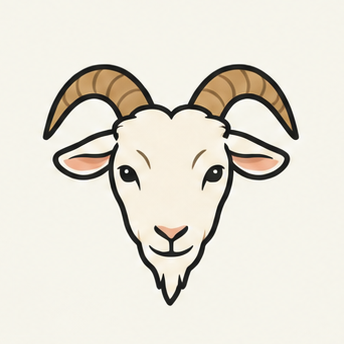
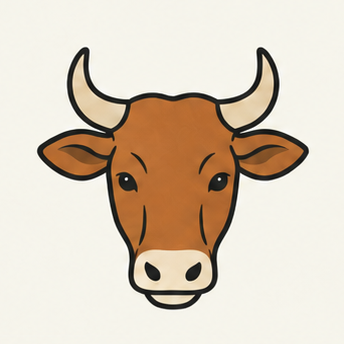
早期的「牛」像从正面看到的牛头。一对牛角是最明显的特征。 Early 牛 shows a bovine head seen from the front. Its paired horns are the most recognizable feature.
中间形态是教学示意,并非已证实的古代字形。 Intermediate shapes are teaching illustrations, not attested ancient glyphs.
所选字形 THE SELECTED FORM
词义示意图 Meaning illustration
早期的「牛」像从正面看到的牛头。一对牛角是最明显的特征。 这幅图介绍词义或关系,并不是对最早字形的摹写。 Early 牛 shows a bovine head seen from the front. Its paired horns are the most recognizable feature. This picture introduces the meaning or a relationship, not a transcription of the earliest graph.
把整个故事放在眼前。 The whole story, in view.
点击任一字形或连接 Choose any form or connection早期字形 EARLY FORMS
现代字形规范 MODERN CONVENTIONS
这是帮助学习的关联总览,并非连续的历史时间线;完整动画串联所选字例,最后呈现简体字;有出处的字形、异体与证据空缺均予保留。 This is a learning view, not a continuous historical timeline; the full animation connects selected examples and ends with the simplified character; sourced forms, variants, and evidence gaps remain visible.
练习书写 Practice writing
练习选项 Practice options
用鼠标、手指或触控笔书写。 Use a mouse, finger, or stylus. 请在练习板外滑动页面。 Scroll outside the pad to move the page.
临时练习,笔迹不会保存或上传。 Practice is temporary; strokes are not saved or uploaded.

再细看 · 来源、问问仓颉与认字小活动 Look closer · sources, Ask Cangjie & a little recall+
 原创教学插图
Original teaching illustration
原创教学插图
Original teaching illustration词义示意图 Meaning illustration
早期的「牛」像从正面看到的牛头。一对牛角是最明显的特征。 这幅图介绍词义或关系,并不是对最早字形的摹写。 Early 牛 shows a bovine head seen from the front. Its paired horns are the most recognizable feature. This picture introduces the meaning or a relationship, not a transcription of the earliest graph.
「牛」是较广的名称,单字本身不特指公牛、母牛或阉牛。 牛 is a broad cattle word; it does not by itself specify a bull, cow, or castrated ox.